Introduction
When it comes to maintaining your home, the roof often doesn’t get the attention it deserves until there’s a problem. After all, it’s out of sight and out of mind, right? However, neglecting your roof can lead to severe consequences, both financially and structurally. So how do you know when it's time for a replacement? In this article, we’ll delve into the Top 10 Signs That Your Roof Needs Replacement. By understanding these signs, you can prevent more significant issues down the road.
Top 10 Signs That Your Roof Needs Replacement
1. Age of the Roof: How Old is Too Old?
If your roof has been standing for over 20 years, it may be time to start considering a replacement. Most roofing materials have a lifespan; for instance:
- Asphalt shingles: 15-30 years Wood shingles: 20-25 years Metal roofs: 40-70 years Slate roofs: Up to 100 years
When assessing the age of your roof, don’t just look at how long it's been there; consider how well it has been maintained over the years as well. A well-maintained roof may last longer than its expected lifespan.
2. Shingle Damage: What Do Damaged Shingles Look Like?
Have you noticed cracked or curled shingles on your roof? This damage can often lead to leaks and other serious problems if not addressed promptly.
Signs of Shingle Damage Include:
- Curling at edges or in the middle Cracking Missing shingles Bald spots where granules are gone
If you see any of these signs, act quickly! Ignoring shingle damage can lead to water infiltration and further complications.
3. Granules in Gutters: Should You Be Concerned?
Another clear sign that your roof may need replacing is finding granules from asphalt shingles in your gutters or downspouts. Granules protect shingles from UV rays and add weight; when they start disappearing, it's a sign that your roof is aging and deteriorating.
What To Look For:
- Accumulated debris in gutters Excessive granule loss on shingles
If you notice these symptoms, it could be time for a new roof sooner rather than later.
4. Water Stains on Ceilings & Walls: Are You Seeing Spots?
Water stains inside your home are never a good sign! These pesky marks often indicate that water is seeping through your roof. Check for discoloration or bubbling paint on ceilings and walls—these are classic signs that moisture has made its way inside.
What Can You Do?
Look for leaks during heavy rainstorms; if water enters during rainy weather but not sunny days, then a roof inspection is essential.
5. Sagging Roof Deck: Is Your Roof Bowing?
A sagging roof deck is a serious concern and usually indicates structural issues with either the rafters or decking itself. If you notice any sagging areas, don't wait—get an expert's opinion immediately!
How To Check For Sagging:
Stand back and look at your entire home from afar; if the center dips down significantly compared to the edges, there’s likely an issue that needs addressing.
6. Mold & Mildew Growth: Is Your Roof a Breeding Ground?
Mold and mildew growing on your rooftop can be more than just an eyesore; they indicate moisture retention in certain areas which could compromise integrity over time.
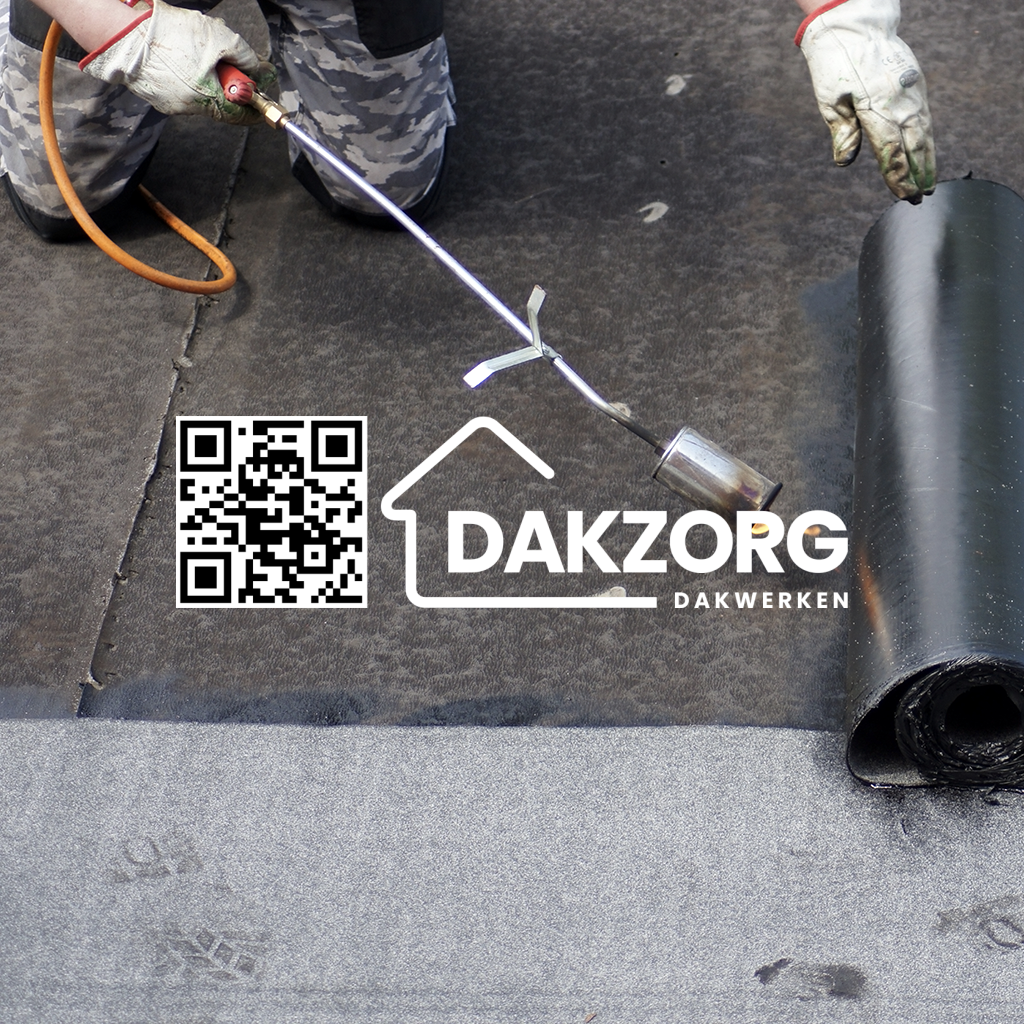
Common Places To Find Mold Include:
- Underneath eaves Near valleys between slopes
If mold is present, consider not only replacing the affected area but also ensuring proper ventilation moving forward.
7. Increased Energy Bills: Why's It Costing More?
Have you noticed higher energy bills recently without any change in usage? An aging or damaged roof can affect insulation performance leading to higher heating/cooling costs.
What To Monitor:
Keep track of monthly bills; if they spike suddenly without explanation—or if rooms feel drafty—this might signal roofing issues at play.
8. Light Coming Through Roof Boards: Is There A Ray Of Hope?
During daylight hours, venture into your attic with some friends (or even just yourself) and check for light streaming through gaps between boards or at seams—this means air leaks are present!
Why This Matters:
Light entering indicates holes where water could easily follow suit—it’s wise https://dakzorg.blob.core.windows.net/dakdekker/campinia/id.html to address this right away before bigger storms roll in!
9. Lack Of Maintenance History: What’s The Condition Report?
Do you know how well-maintained your roof has been throughout its life? If not documented properly by previous owners (or perhaps even yourself), it might warrant further inspection.
Steps To Take:
Get an inspection done by professionals who can tell you historical data regarding repairs/replacements done previously–this will help gauge remaining life expectancy accurately!
10. Local Weather Conditions & Natural Disasters: Are You Prepared?
Extreme weather conditions like heavy snowfall or hurricanes roofing contractor can take their toll on roofs over time! Make sure you’re aware of how these elements have historically impacted homes around yours—and factor that into whether yours needs replacing soon!
FAQs
Q1: How often should I inspect my roof?
A1: It's wise to inspect your roof at least twice a year—spring and fall—to catch potential problems early before they escalate.
Q2: Can I replace my own roof?
A2: While DIY projects can save money, roofing requires skill and knowledge about safety practices as well as proper installation techniques—hiring a professional is highly recommended!
Q3: What types of roofing materials last longest?
A3: Metal roofs typically have the longest lifespan (40+ years), followed closely by slate roofs (up to 100 years). Asphalt shingles generally last around 15-30 years depending on quality.
Q4: How much does a new roof cost?
A4: Costs vary widely based on material type chosen but generally range from $5,000-$20,000 depending on house size/location/labor rates etc.—getting multiple quotes helps ensure fair pricing!
Q5: Will my insurance cover the cost?
A5: Coverage depends heavily upon policy details so always check with them beforehand regarding specific damages incurred due to weather conditions etc., making sure everything's documented correctly beforehand too!
Q6:Is moss growth something I should worry about?
A6:Moss retains moisture which could lead directly back toward eventual rot occurring underneath layers—they tend not only get unsightly but also create potential hazards needing immediate removal or treatment otherwise impacting longevity/resilience significantly long-term too!
Conclusion
Keeping an eye out for these Top 10 Signs That Your Roof Needs Replacement can save homeowners from unexpected disasters down the line! Regular inspections combined with awareness about common warning flags will help maintain structural integrity while avoiding steep repair costs further in life—a win-win situation!
So next time you’re doing home maintenance checks remember—don’t overlook what sits above head—it might just be one storm away from needing urgent attention!